
DCFR Insight 52 / Hourly Carbon-Free Energy
Hourly Carbon-Free Energy Planning for Data Centers
Buying enough renewable energy to match annual consumption does not prove that clean electricity was available when and where a data center used power. Hourly carbon-free energy turns a yearly claim into a grid, portfolio, controls, and workload problem.
Define the claim before designing the portfolio
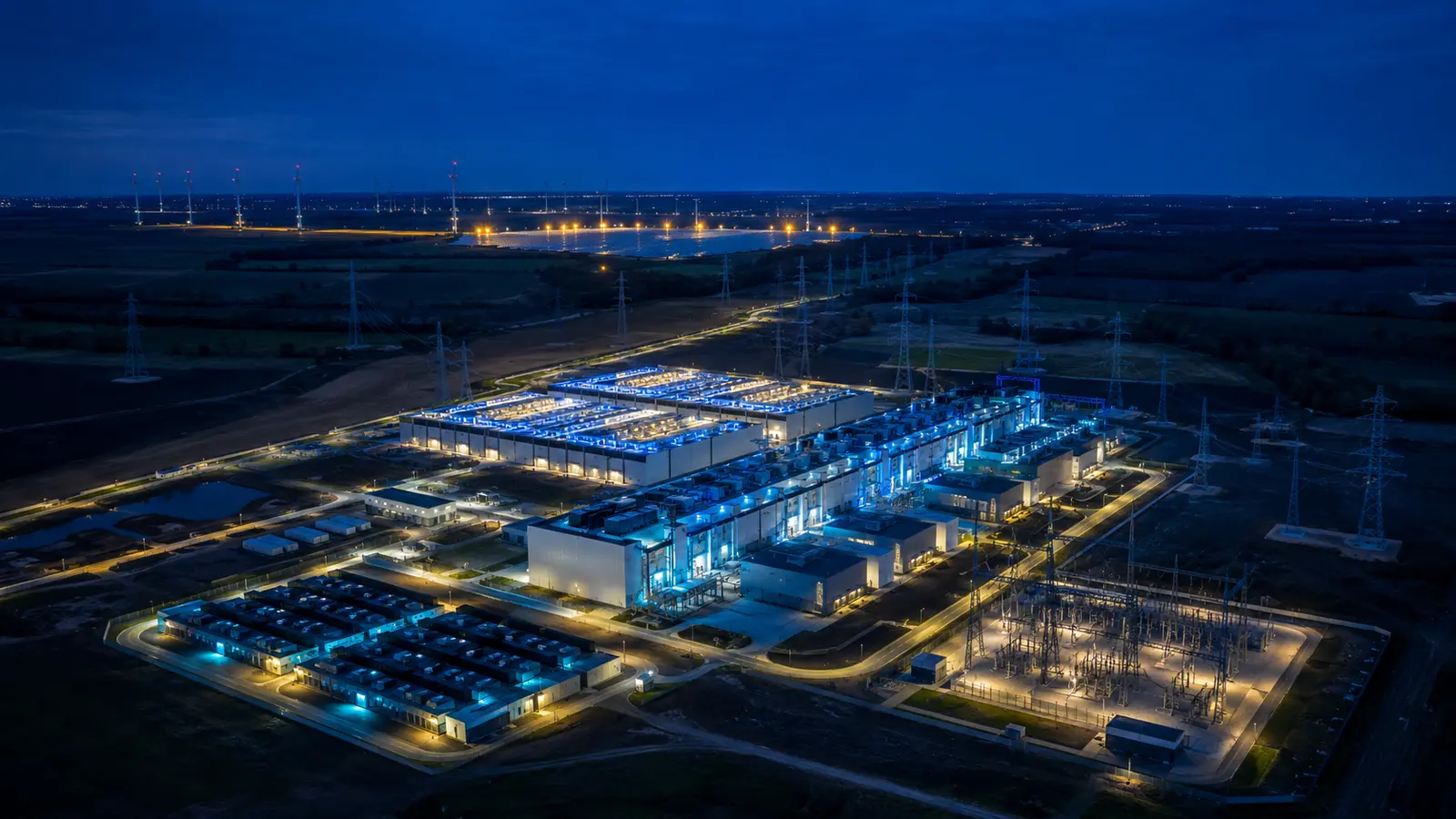
State the facilities, meters, grid regions, loads, generation technologies, storage, backup sources, reporting period, and treatment of losses included in the claim. Decide whether the objective is a Carbon-Free Energy score, a percentage of hourly load matched, location-based emissions reduction, market-based inventory reporting, avoided system emissions, or a combination reported separately. Set interim milestones and a rule for unmatched hours. A statement such as renewable-powered or net zero is not an engineering requirement until its temporal, geographic, and accounting boundaries are explicit.
Expose the hourly gap hidden inside an annual match
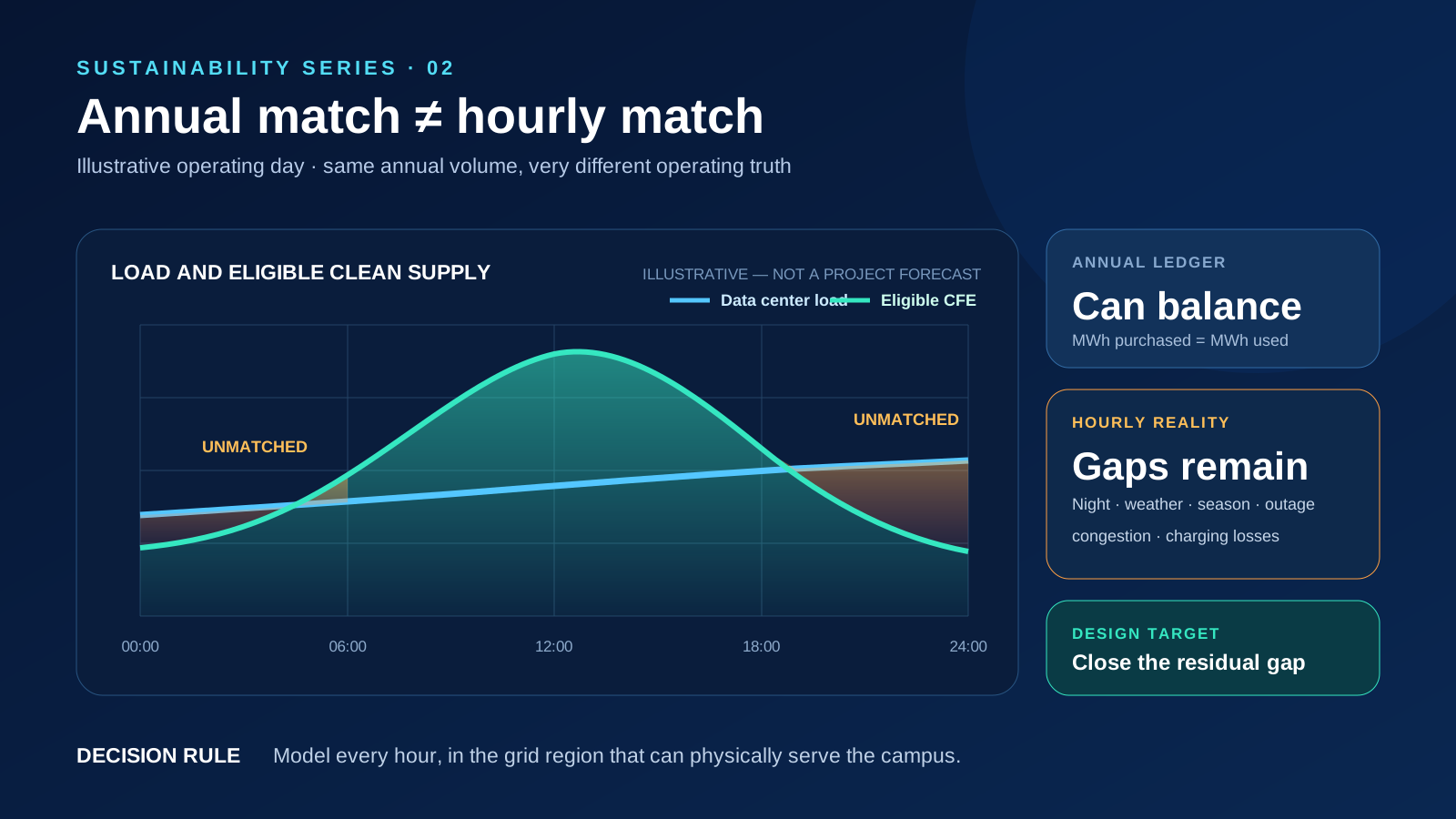
Create an hourly—or more granular where available—profile of utility-meter demand, on-site generation, contracted generation, grid supply, storage charge and discharge, and backup generation. Compare load and eligible carbon-free supply in the same interval and deliverable grid region. Annual megawatt-hour equality can coexist with daytime surplus, nighttime deficit, seasonal scarcity, and fossil-intensive operating periods. Preserve both the annual inventory view and the hourly physical view, but never describe one as evidence of the other.
Establish measurement-grade data architecture
Align revenue meters, substation meters, generator meters, storage meters, power-quality monitors, and information-technology telemetry to a common time standard. Define interval length, time zone, daylight-saving treatment, missing data, estimation, meter class, calibration, aggregation, and retention. Track the energy source used to charge storage and apply round-trip losses. Separate tenant, shared infrastructure, construction, offices, and exported energy where contract and claim boundaries differ. A granular certificate cannot repair inaccurate or misaligned load data.
Electricity Claim Evidence Hierarchy
| Claim | Minimum time basis | Geographic basis | What it can establish | What it cannot establish |
|---|---|---|---|---|
| Annual renewable match | Annual | Eligible contractual market | Annual volume of retired attributes | Clean supply during each operating hour |
| Hourly carbon-free match | Hourly or approved granular interval | Deliverable regional grid | Temporal alignment of eligible supply and load | Automatic additionality or lowest system emissions |
| Location-based emissions | Interval where credible data exist | Physical grid serving the load | Emissions associated with grid consumption | Ownership of clean-energy attributes |
| Avoided system emissions | Dispatch-sensitive analysis | Affected electricity system | Estimated consequence of an intervention | A corporate inventory reduction without separate rules |
Report distinct claims separately. Accounting rules, certificate systems, and regional market boundaries continue to evolve.
Use a deliverable grid boundary
Map the balancing area, transmission interfaces, congestion, import limits, curtailment, market zones, interconnection queues, and physical path between generation and load. Contractual eligibility and physical deliverability are related but not identical; report both where they differ. Assess the marginal system conditions during the data center's operating hours, not only average annual grid emissions. Coordinate with the utility and market operator so procurement, interconnection, telemetry, and demand flexibility correspond to the actual network serving the campus.
Shrink and reshape the load before filling the gap
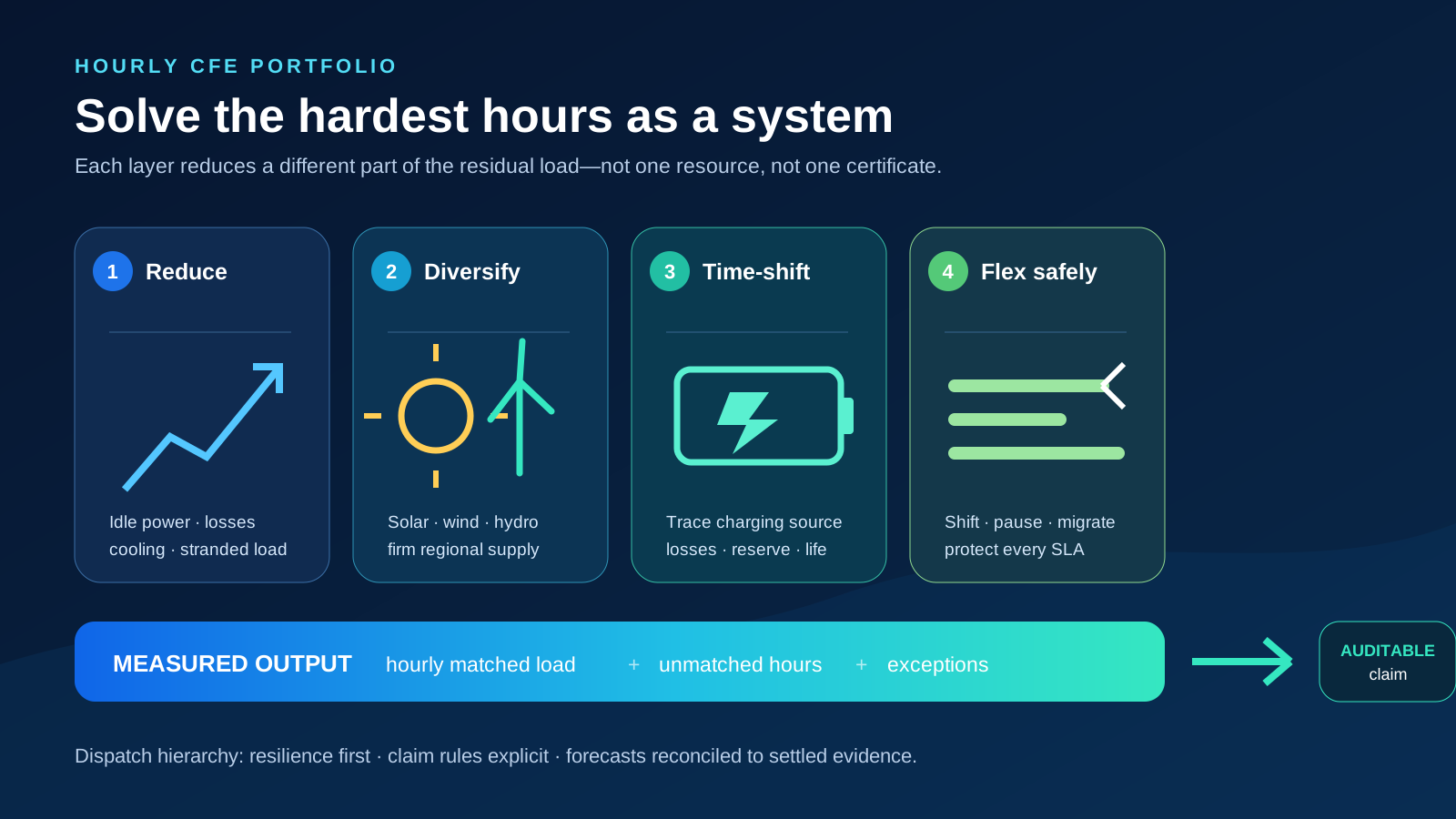
Reduce idle computation, stranded accelerators, conversion losses, cooling overhead, and unnecessary redundancy before procuring supply. Classify workloads by pause, shift, throttle, migrate, checkpoint, deadline, data-locality, security, and rebound constraints. Model facility thermal inertia, battery reserve, maintenance, and service-level obligations. Emissions-aware scheduling is valuable only when the resulting meter response and job outcome are verified. Never spend resilience reserve or violate customer commitments merely to improve a sustainability score.
Assemble a complementary carbon-free portfolio
Combine resources with different hourly and seasonal shapes: solar, wind, hydro, geothermal, nuclear, storage, demand flexibility, and other qualifying sources appropriate to the region. Evaluate additionality, commercial-operation date, technology and weather correlation, curtailment, outage, degradation, transmission, contract tenor, credit, community and ecological impact, and replacement risk. Optimize the portfolio against the worst credible residual gaps and future campus phases, not the average day. Diversity matters when resources fail or underproduce at the same time.
Treat storage as time transfer with a traceable source
Model power, usable energy, duration, state-of-charge policy, efficiency, auxiliary load, degradation, augmentation, warranty, fire strategy, climate, grid services, and resilience reserve. Attribute discharged electricity to the charging source using an approved methodology; otherwise storage can shift grid energy without improving the carbon-free match. Resolve priority conflicts among carbon matching, peak reduction, market revenue, power quality, and backup. Commission dispatch and accounting together because the control sequence determines the environmental claim.
Resolve the difficult hours with firm supply and flexibility
Identify the longest low-renewable periods, extreme-weather events, grid emergencies, maintenance outages, and seasonal deficits. Test whether firm carbon-free generation, longer-duration storage, overbuilt variable supply, regional transfer, or workload relocation can close them. Include fuel-cycle, water, land, permitting, reliability, and community consequences rather than labeling technologies only by operational emissions. Where a complete match is not feasible, disclose the gap and direct investment toward the hours and grid constraints with the greatest need.
Write contracts that preserve hourly evidence
Require interval generation data, meter access, energy-attribute ownership, retirement, uniqueness, location, commissioning vintage, curtailment treatment, storage rules, audit rights, change control, and remedies for missing or invalid data. Distinguish a power-purchase agreement from the attributes needed for a specific claim. Define how acquisitions, campus expansions, supplier default, market redesign, or resource repowering affect the target. Claims should follow current accounting requirements; proposed GHG Protocol revisions and emerging granular-certificate systems should be monitored without presenting draft rules as final.
Hourly Carbon-Free Energy Release Gates
| Gate | Required evidence | Decision released | Primary failure |
|---|---|---|---|
| Boundary approved | Meters, loads, regions, sources, losses and claim type | Model development | Ambiguous numerator or excluded load |
| Gap characterized | Full-year interval load and supply scenarios | Portfolio procurement | Average-day design misses seasonal scarcity |
| Portfolio contracted | Deliverability, attributes, additionality, data and remedies | Construction and interconnection | Energy and certificates separate unexpectedly |
| Controls accepted | Storage, workload, reserve and failure-mode tests | Operational dispatch | Carbon control compromises reliability |
| Claim assured | Settled data, retired attributes, gaps and exceptions | External reporting | Forecast performance is reported as actual |
Operate carbon-free energy as a controlled service
Use day-ahead and real-time forecasts for load, generation, carbon intensity, weather, storage, and grid conditions. Establish dispatch hierarchy, minimum resilience reserve, workload policy, operator override, cybersecurity, failed-communications mode, and escalation. Reconcile operational telemetry with settled utility, market, and certificate data. Report hourly match, unmatched energy, emissions, curtailment, storage losses, backup generation, and service-level effects. Rebaseline transparently when capacity or boundaries change and obtain independent assurance for material public claims.
Early screening checklist
What to verify before advancing this site.
- The carbon-free-energy claim defines meters, sources, intervals, regions, losses, and unmatched hours
- A full-year interval profile replaces annual totals and representative-day assumptions
- Load, generation, storage, and backup meters share a calibrated time basis
- The procurement region reflects plausible grid deliverability, not convenience alone
- Efficiency and useful-compute measures reduce the gap before supply is purchased
- Flexible workloads have proven response, recovery, rebound, and service-level limits
- Resource correlations, curtailment, outages, and seasonal scarcity are modeled
- Storage accounting traces charging source, losses, reserve priority, and degradation
- Contracts preserve granular data, attributes, uniqueness, audit rights, and remedies
- Public reporting separates annual matching, hourly matching, inventory emissions, and avoided emissions
What DCFR would flag
Risks surfaced at the screening stage.
DCFR would flag a 100% renewable or carbon-free claim supported only by annual certificates, without interval load data, deliverable regional matching, storage-source accounting, residual-gap analysis, attribute control, operational safeguards, and disclosure of unmatched hours.
Professional confirmation required
Items requiring licensed validation.
Confirm electricity-market boundaries, tariffs, interconnection, generation eligibility, storage attribution, contractual instruments, current GHG accounting, cybersecurity, workload controls, and public claims with the owner, utility, market operator, suppliers, qualified counsel, accountants, and independent assurance provider.
Final takeaway
Hourly carbon-free energy is not a better certificate claim; it is a continuously operated system that aligns data-center demand, clean supply, grid reality, storage, and workload decisions in time and place.
Screen up to 20 candidate sites before selecting one for the full DCFR report.
Each DCFR Report Package includes a preliminary 20-site comparison PDF / export package plus one selected planning-grade feasibility report.